

< Speaker / Facilitator >
Vito Bica
Endress+Hauser, KSB, ZAGENO, Klenico

Connect in LinkedIn
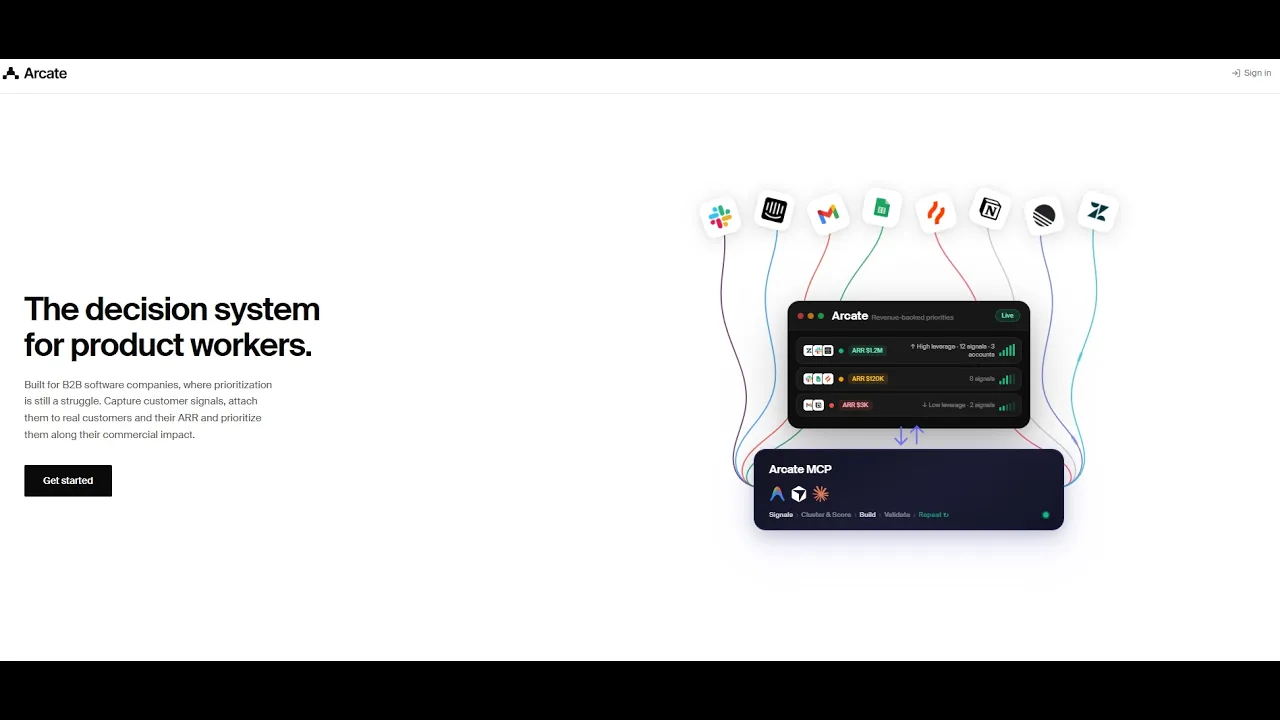
Vito figures out what's blocking a product's growth and builds the fix. 20 years of B2B product consulting, from industrial SaaS (Endress+Hauser, KSB) to digital health (Klenico) to venture-backed marketplaces (ZAGENO, seed to Series B). He built Arcate, an AI engine that ranks product bets by revenue at risk. How he built it is what he teaches in the workshop.
< About >
Everyone has seen someone build software with AI on LinkedIn and wondered whether it is real. This full day, hands-on workshop is the answer. Most people who try it alone get stuck. The AI leads them into a hole and they cannot get out. The output looks different every time. They do not have the dev background to debug or the vocabulary to get consistent results. Watching a tutorial does not fix this. Tutorials show the happy path. They do not show what to do when it breaks. The difference here is that you build, and when you get stuck, someone who has shipped a full product this way is right there to get you unstuck. You bring a real challenge from your work. By the end of the day you have a functional MVP that addresses it: deployed, live, and ready to test with real users. Not a prototype you throw away. The morning is guided: Vito builds live so you see every prompt, every mistake, and every recovery. Then you do the same steps yourself. The afternoon is yours: you apply the method to your own project, with Vito right there to work through it with you. Capped at 20 people so nobody gets stuck with no one to ask. The gift repo You build inside a structured starter kit from the first hour, and at the end of the day it is yours to keep: productlab-workshop/ ├── README.md (the methodology) ├── .agent/ │ ├── skills/ (2-3 starter skills: designer, builder) │ ├── specs/ (domain contract template) │ └── workflows/ (build + QA workflow templates) ├── src/ (minimal scaffold) ├── prompts/ (key prompts from the workshop) └── reference/ (Arcate case study: what full scale looks like) Prerequisites: a Claude or Cursor subscription, your laptop, and a problem from your work you want to solve.
Best for
Product managers watching the market shift toward product eng and technical PMs
Anyone moving toward the product builder as a function, not just a title
People with a side product they want to make workable and validate
PMs ready to actually build and ship a functional MVP, not just talk about it
Anyone who wants dedicated time to build, with hands-on support from someone who has shipped a full product this way
< About >
Building a product isn't three separate jobs (product, design, engineering). It's one integrated act, like riding a bike: balance, steering, and pedaling happen simultaneously or not at all. Companies split the work into three roles when they got large enough to justify it. AI is making the split unnecessary. The training wheels are coming off.
Vito rides a PUKY kids' bike onto the stage to open the session, and rides off on it to close. The bike carries the metaphor throughout. When you learn to ride with training wheels, you never feel the balance problem. Remove them, and balance is all you think about. The balance problem was always there. The training wheels just hid it. The same is true for product teams: the triad structure has been quietly compensating for problems in taste, coherence, and integration that nobody named, because the team absorbed them at the seams.
This session bridges two perspectives. As a consultant, Vito has spent 20 years walking into B2B product organizations from the C-Suite level, diagnosing why teams keep shipping the wrong things. As a builder, he removed his own training wheels a year ago and built a full SaaS product alone with AI as infrastructure. The session is a field report from that road: what the team structure was hiding, what he built to compensate, and where he's still falling.
Most of the audience will be PMs and product leaders being pushed toward this model by market pressure, founder mandate, or organizational change. The session gives them an honest picture of what the work actually looks and feels like, so they can make an informed decision about whether and how to walk this path. It does not end with a neat answer. It leaves an open tension in the room: can everyone learn to ride?
< Key learnings >
The setup — Building a product alone isn't three jobs done by one person. It's one integrated thing that was split into three roles when companies got large enough to justify it. What happens when the split is no longer necessary?
A live build — A real demonstration of how product, design, and engineering decisions flow through one person in real time, and why the interesting part isn't how fast it goes.
Where you'll fall — Four things the team structure was compensating for: taste, coherence, absorption, and the absence of a safety net. Each paired with a system Vito built to compensate. Each system honestly imperfect.
What this means for your team — 20 years of consulting B2B product organizations surfaced the same patterns. Whether you go solo or stay in a triad, these are the things that actually matter, and AI is making them visible whether you're ready or not.
What Vito is still getting wrong — The honest part. Where the systems fail. Where he still falls. Why that matters for anyone considering this path.
< Get Speaker's vibes >
Speaker's welcome
< Tickets >
" height="23px" id="E3vXMlFqc" transform="translate(3 1)" width="8.9412px"/><path d="M 9.5 11.5 L 19 5.75 L 9.5 0 L 0 5.75 Z" fill="rgba(255, 255, 255, 0.65)" height="11.5px" id="ubKUIjrpD" transform="translate(3 12.5)" width="19px"/></svg>)
" height="20px" id="eMN6AGLsh" transform="translate(4 2)" width="17px"/></g></svg>)
